Why moon?
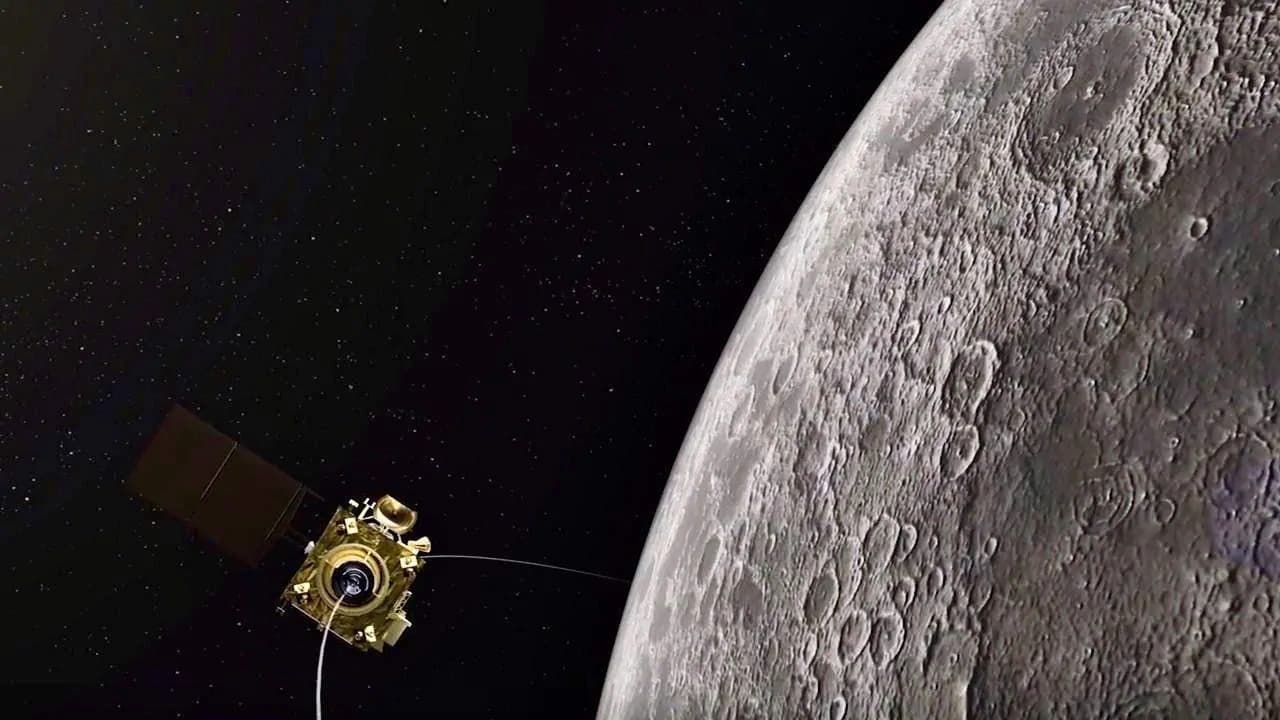
The Moon is the closest cosmic body at which space discovery can be attempted and documented. It is also a promising test bed to demonstrate technologies required for deep-space missions. Chandrayaan-2 aims for enhancing our understanding of the Moon, stimulate the advancement of technology, promote global alliances and inspire a future generation of explorers and scientists.
Indian Ambitions, Universal Aspirations
Chandrayaan-2 mission is a highly complex mission, which represents a significant technological leap compared to the previous missions of ISRO, which brought together an Orbiter, Lander and Rover with the goal of exploring south pole of the Moon. This is a unique mission which aims at studying not just one area of the Moon but all the areas combining the exosphere, the surface as well as the sub-surface of the moon in a single mission.
Mission Components
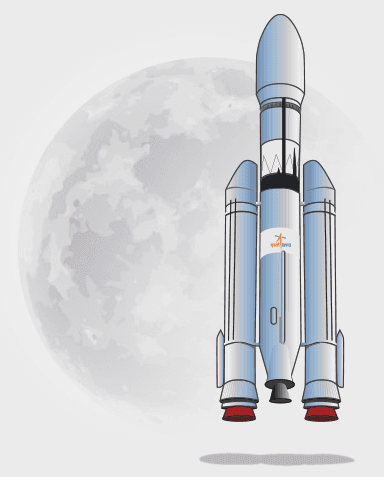
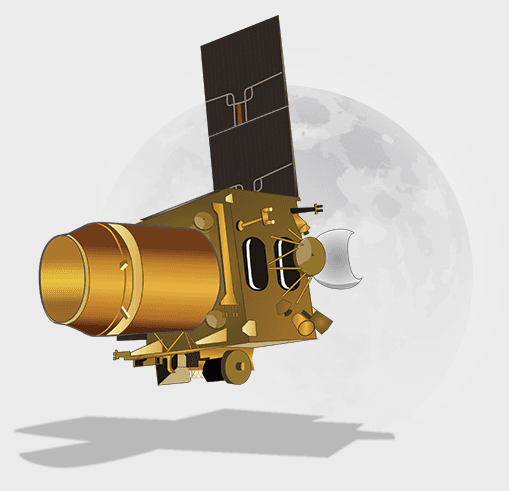
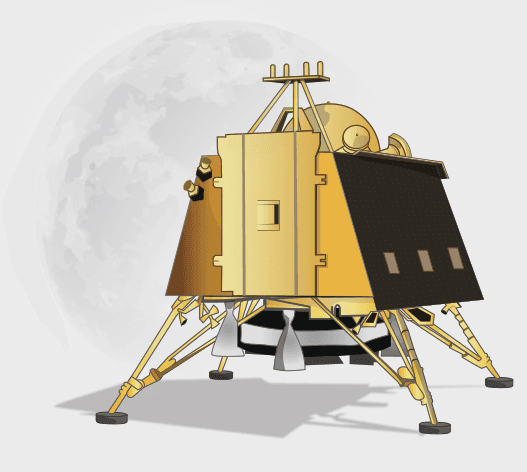
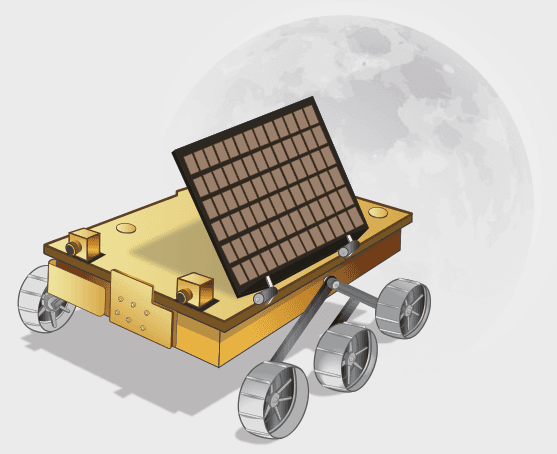
Image Gallery
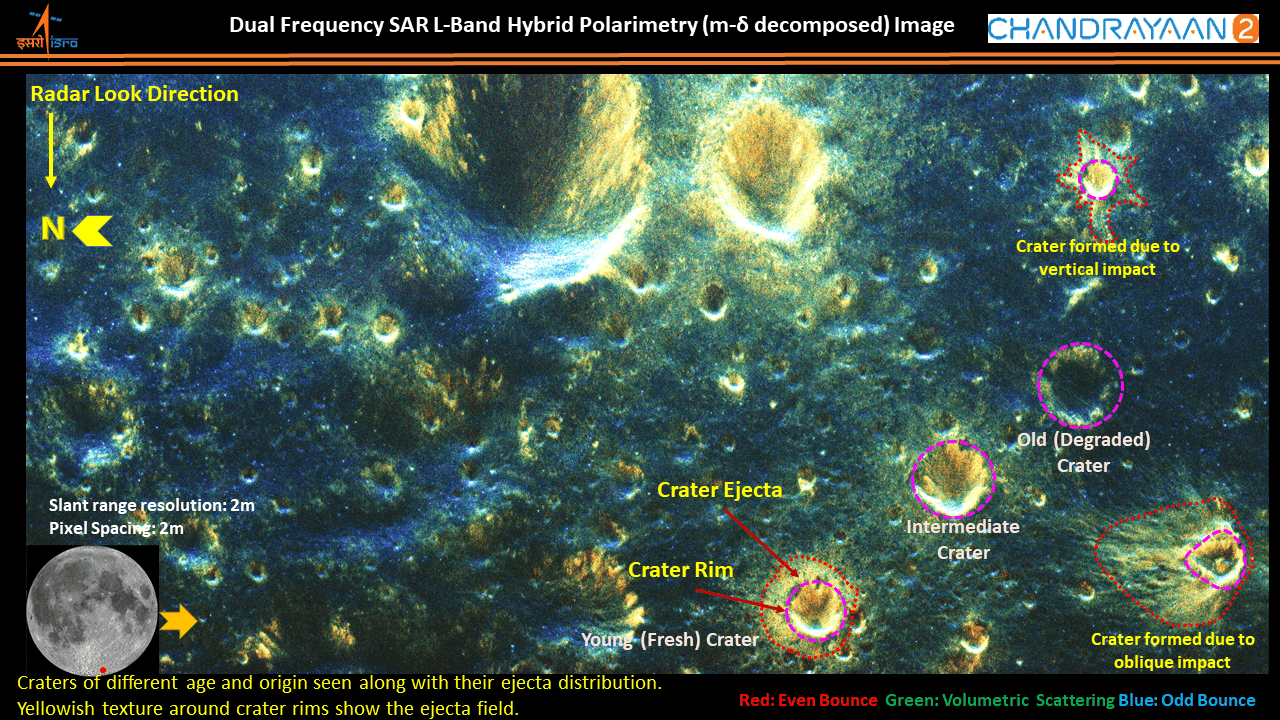
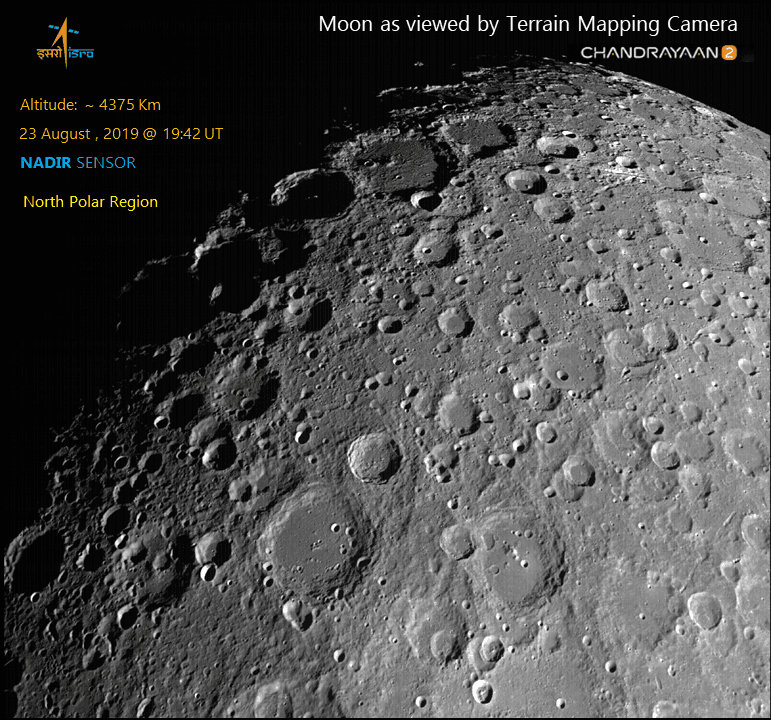
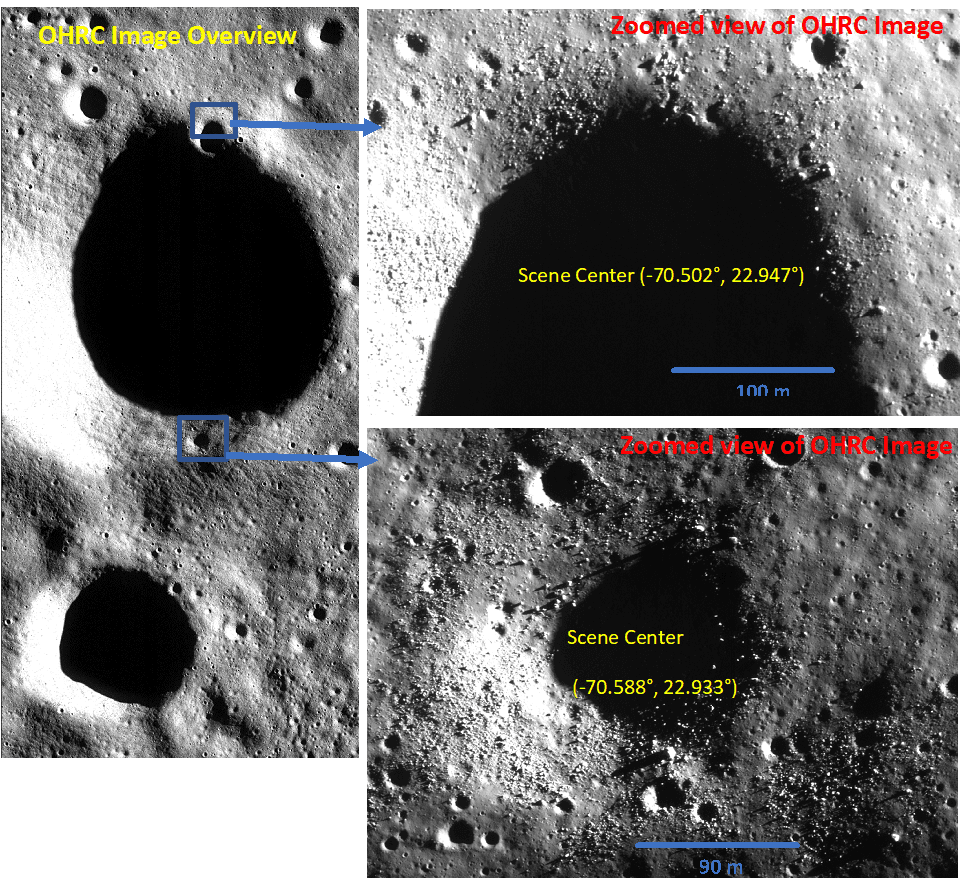
Payloads
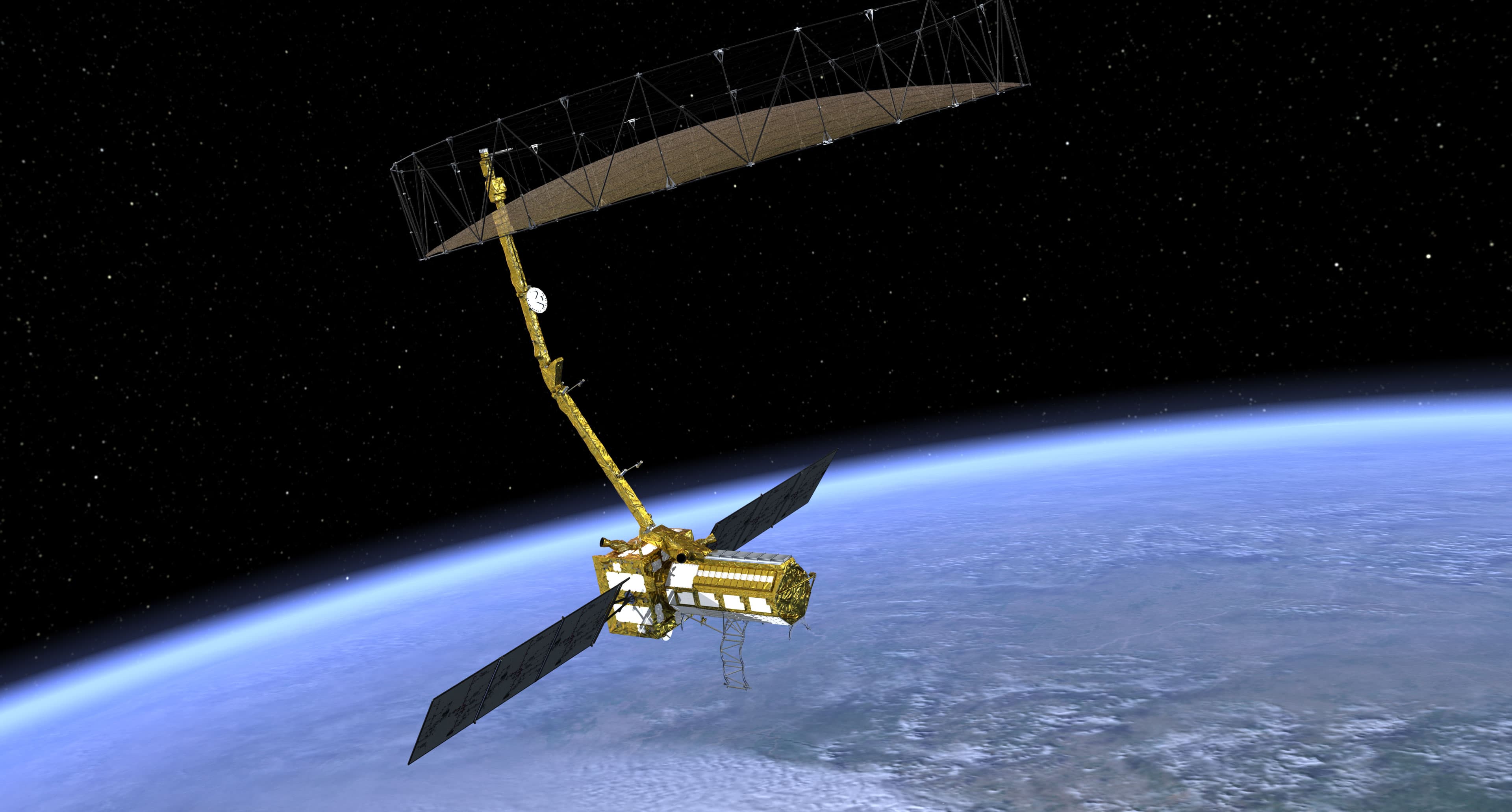
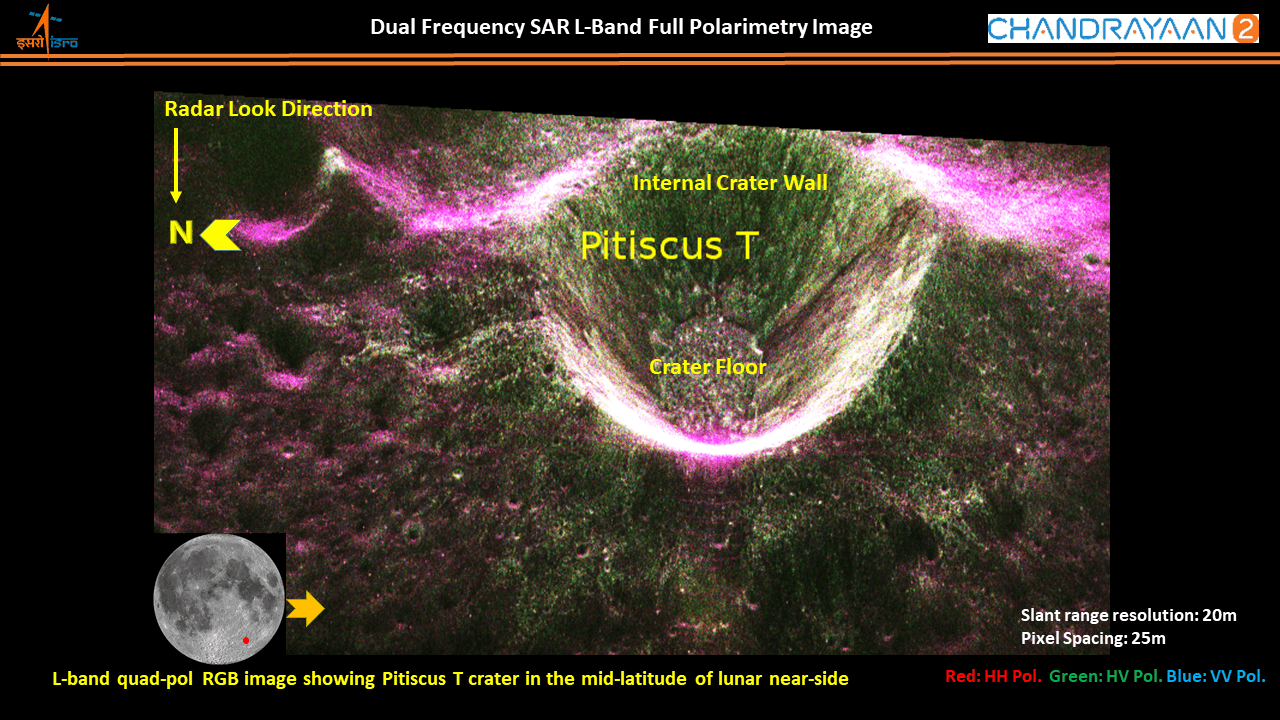
Synthetic Aperture Radar L & S Band (DFSAR)
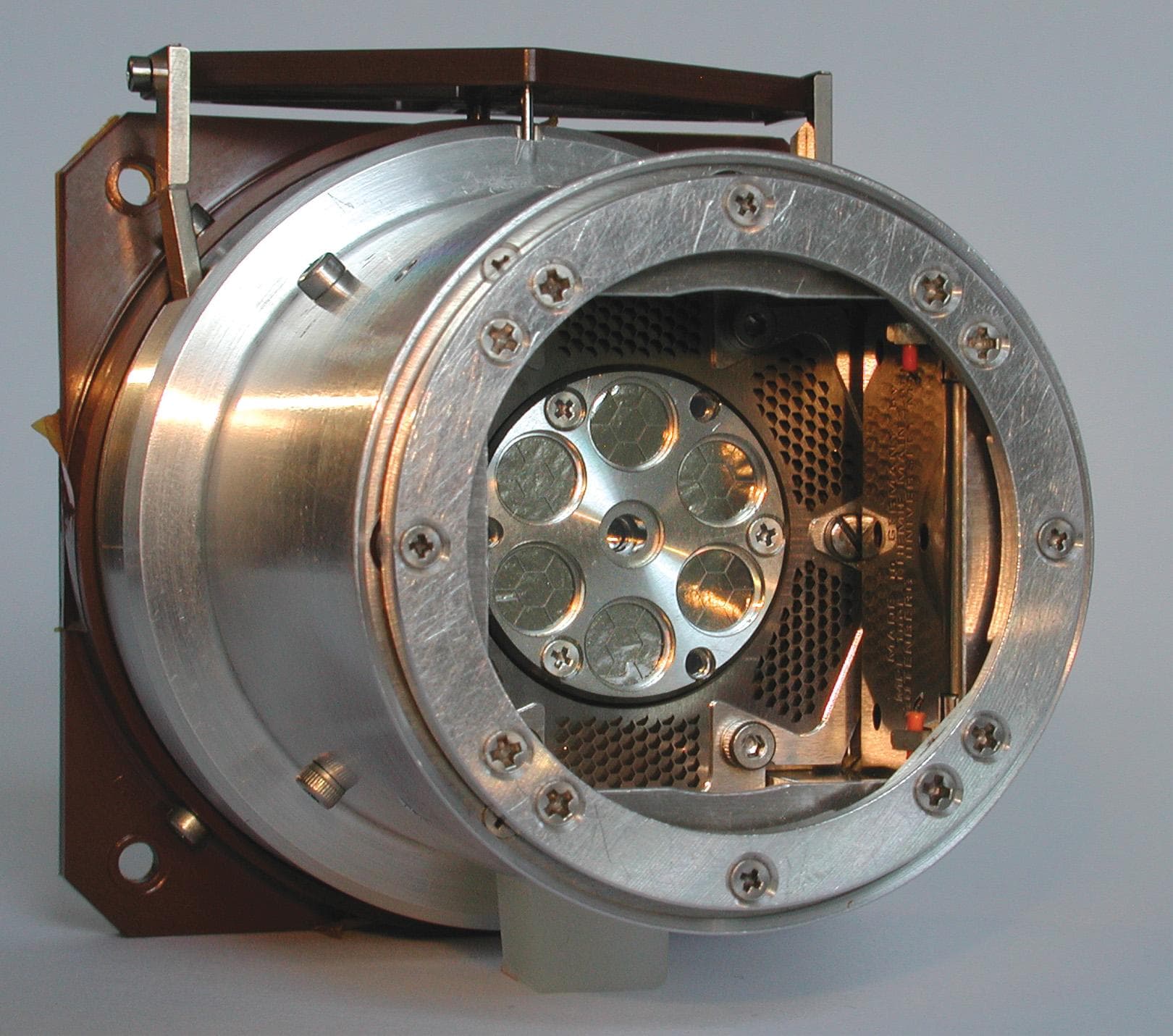
Alpha Particle X-ray Spectrometer (APXS)
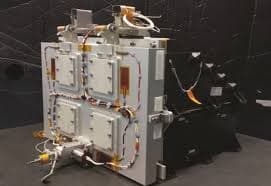
Chandrayaan 2 Large Area Soft X-ray Spectrometer (CLASS)
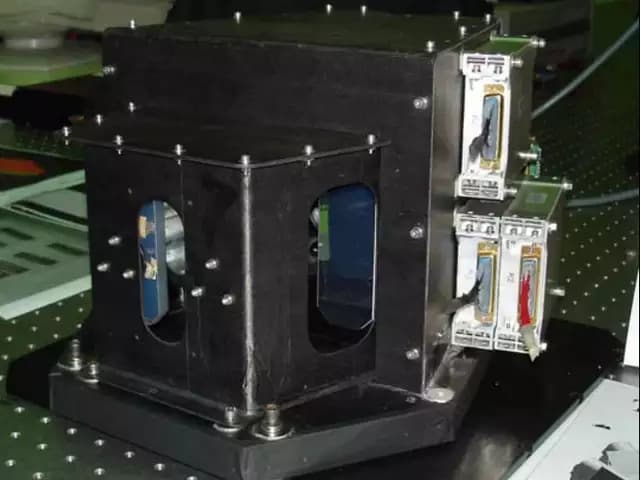
Terrain Mapping Camera (TMC-2)
Mission Timeline
- 18th September, 2008Prime Minister Manmohan Singh approves the Chandrayaan2 lunar mission
- Mission Planning
- July 22, 2019Launch Date
- Aug 20, 2019Orbiter Lunar Orbit insertion
- Orbital Experiments, Will be operational for 7 years
Scientific Objectives
Moon provides the best linkage to Earth’s early history. It offers an undisturbed historical record of the inner Solar system environment. Though there are a few mature models, further explanations were needed to understand the origin of the Moon. Extensive mapping of lunar surface to study variations in lunar surface were essential to trace back the origin and evolution of the Moon. Evidence for water molecules discovered by Chandrayaan-1, required further studies on the extent of water molecule distribution on the surface, below the surface and in the tenous lunar exosphere to address the origin of water on Moon.
Why was the Lunar South Pole targetted for exploration?
The Lunar South pole is especially interesting because of the lunar surface area that remains in shadow is much larger than that at the North Pole. There could be a possibility of presence of water in permanently shadowed areas around it. In addition, South Pole region has craters that are cold traps and contain a fossil record of the early Solar System.